



How To Know If Your Hyundai Engine Is Overheating
Hyundai engineers its engines to operate within a precise temperature range, and the cooling system works constantly to maintain that balance. When something disrupts that system, whether a coolant leak, a failing thermostat, or a compromised water pump, engine temperatures can rise to dangerous levels quickly. Knowing the warning signs of overheating can be the difference between a manageable repair and a catastrophically damaged engine.
The Temperature Gauge Is Your First Alert
Every Hyundai comes equipped with a coolant temperature gauge on the instrument cluster. Under normal operating conditions, the needle sits comfortably in the middle of the gauge. If you notice the needle climbing toward the red zone, or if a warning light shaped as a thermometer appears on your dashboard, your engine is running hotter than it should. Do not wait for additional symptoms and pull over safely as soon as it is practical to do so. Many drivers overlook the temperature gauge during routine driving because it rarely changes under normal conditions, but developing the habit of glancing at it periodically, especially during hot weather or when towing, can help you catch a developing problem before it reaches a critical threshold.
Steam Coming From Under The Hood
Visible steam rising from the front of your vehicle is one of the most unmistakable signs of overheating. It typically means coolant has escaped from the cooling system and is coming into contact with hot engine components. If you see steam, turn the engine off, stay clear of the hood until the vehicle has cooled down for at least 30 minutes, and do not attempt to open the coolant reservoir cap while the engine is still hot. Opening a pressurized cooling system while it is hot can result in scalding coolant spraying outward with significant force, causing serious burns.
Reduced Engine Performance
An overheating engine will often begin to lose power before the situation becomes critical. You might notice sluggish acceleration, rough idling, or the engine feeling less responsive than usual. This happens because extreme heat affects combustion efficiency and can cause components to expand beyond their normal tolerances. The engine control unit may also enter a protective mode when it detects abnormal temperatures, intentionally reducing power output to limit the heat being generated. While this protective intervention is designed to prevent catastrophic damage, it is also a clear signal that something is wrong and the vehicle needs immediate attention.
Heater Blowing Cold Air
It may seem counterintuitive, but if your cabin heater is suddenly blowing cold air, it could indicate that coolant levels have dropped significantly. The heater core relies on hot coolant circulating through it, so when coolant is low due to a leak or a blown head gasket, the heater is often one of the first systems to be affected. A head gasket failure is among the more serious causes of coolant loss and can be identified by additional symptoms such as white smoke from the exhaust, milky oil on the dipstick, or coolant that appears discolored or foamy.
At Lakeland Hyundai, our service department is ready to diagnose cooling system problems quickly and get you back on the road safely. We offer convenient service scheduling and a team that puts your vehicle's long-term health first. Call us to book a service appointment today, and do not let a cooling issue become a major engine repair.
Lakeland Hyundai
Address
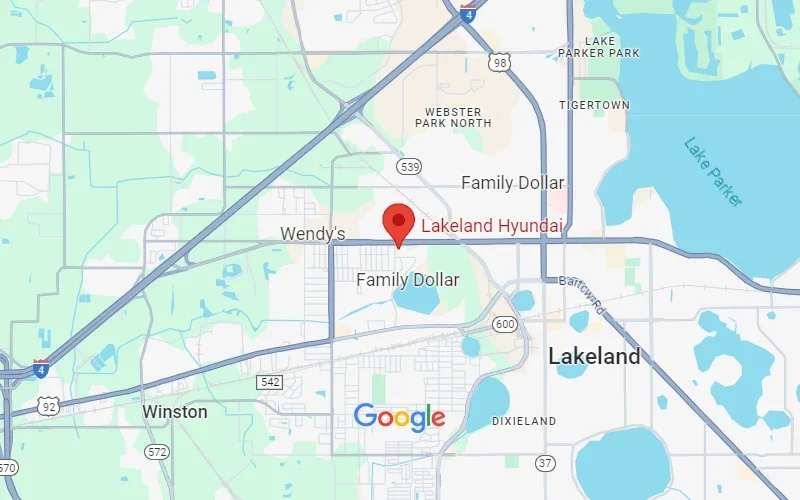
1500 West Memorial Blvd
Lakeland, FL 33815
Phone
- Sales 863-583-9200
- Service 863-583-9242
- Parts 863-686-5126
| Monday | 9:00AM - 8:00PM |
| Tuesday | 9:00AM - 8:00PM |
| Wednesday | 9:00AM - 8:00PM |
| Thursday | 9:00AM - 8:00PM |
| Friday | 9:00AM - 8:00PM |
| Saturday | 9:00AM - 8:00PM |
| Sunday | 12:00PM - 6:00PM |
| Monday | 7:30AM - 6:00PM |
| Tuesday | 7:30AM - 6:00PM |
| Wednesday | 7:30AM - 6:00PM |
| Thursday | 7:30AM - 6:00PM |
| Friday | 7:30AM - 6:00PM |
| Saturday | 8:00AM - 4:00PM |
| Sunday | Closed |
| Monday | 7:30AM - 6:00PM |
| Tuesday | 7:30AM - 6:00PM |
| Wednesday | 7:30AM - 6:00PM |
| Thursday | 7:30AM - 6:00PM |
| Friday | 7:30AM - 6:00PM |
| Saturday | 8:00AM - 4:00PM |
| Sunday | Closed |